
How to Reduce the Risk of Diabetes Through Lifestyle Changes
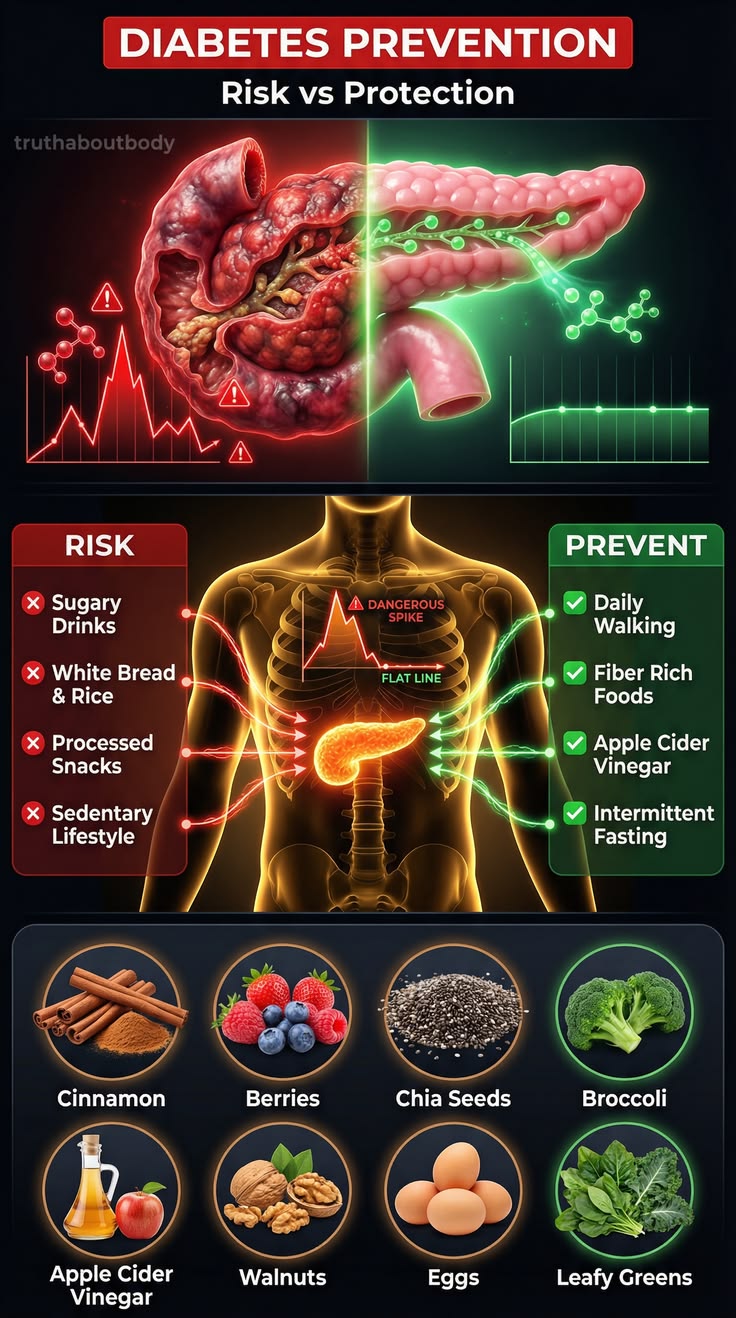
Diabetes is one of the most common chronic health conditions worldwide, affecting millions of people of all ages. While some risk factors, such as age, family history, and genetics, cannot be changed, many cases of type 2 diabetes can be delayed or even prevented through healthy lifestyle choices. By maintaining a balanced diet, staying physically active, achieving a healthy weight, and adopting other positive habits, you can significantly reduce your risk and improve your overall health.
Preventing diabetes is not about following restrictive diets or making drastic lifestyle changes overnight. Instead, it involves building sustainable habits that support healthy blood sugar levels and long-term well-being. In this guide, we’ll explore practical ways to lower your risk of diabetes through everyday lifestyle changes.
Understanding Type 2 Diabetes
Type 2 diabetes is a condition in which the body becomes resistant to insulin or does not produce enough insulin to regulate blood sugar effectively. Insulin is a hormone that helps move glucose from the bloodstream into the body’s cells, where it is used for energy.
When this process doesn’t work properly, blood sugar levels remain too high, increasing the risk of complications affecting the heart, kidneys, eyes, nerves, and blood vessels.
Unlike type 1 diabetes, which is an autoimmune condition, type 2 diabetes is strongly influenced by lifestyle factors alongside genetics.
Common Risk Factors
Several factors increase the likelihood of developing type 2 diabetes.
These include:
- Being overweight or obese
- Physical inactivity
- Family history of diabetes
- Increasing age
- High blood pressure
- High cholesterol
- Smoking
- Poor dietary habits
- Previous gestational diabetes during pregnancy
Although not every risk factor can be controlled, many can be improved through healthier daily habits.
1. Maintain a Healthy Weight
Carrying excess body weight, especially around the abdomen, increases insulin resistance and raises the risk of type 2 diabetes.
Even modest weight loss can improve the body’s ability to use insulin more effectively.
Healthy weight management involves:
- Eating balanced meals
- Staying physically active
- Reducing highly processed foods
- Controlling portion sizes
Avoid crash diets, as gradual and sustainable weight loss is more likely to provide long-term benefits.
2. Eat a Balanced Diet
Healthy eating is one of the most effective ways to support stable blood sugar levels.
Aim to include:
- Fruits
- Vegetables
- Whole grains
- Lean proteins
- Healthy fats
- Legumes
- Low-fat dairy or fortified alternatives
A balanced diet provides essential nutrients while helping regulate appetite and energy levels.
3. Choose High-Fibre Foods
Dietary fibre slows the absorption of sugar into the bloodstream and helps maintain more stable blood glucose levels.
Excellent sources of fibre include:
- Oats
- Brown rice
- Wholemeal bread
- Lentils
- Chickpeas
- Beans
- Apples
- Pears
- Broccoli
- Carrots
High-fibre foods also support digestive health and increase feelings of fullness.
4. Limit Added Sugar
Regularly consuming large amounts of added sugar may contribute to weight gain and increase the risk of developing type 2 diabetes.
Try to reduce:
- Sugary soft drinks
- Sweetened fruit drinks
- Cakes
- Biscuits
- Sweets
- Desserts
- Sweetened breakfast cereals
Instead, choose naturally sweet foods such as fresh fruit when possible.
5. Stay Physically Active
Exercise helps improve insulin sensitivity, allowing your body to use glucose more effectively.
Regular physical activity can:
- Lower blood sugar levels
- Support weight management
- Improve heart health
- Reduce stress
- Increase energy
Aim for at least 150 minutes of moderate-intensity exercise each week.
Activities may include:
- Brisk walking
- Cycling
- Swimming
- Dancing
- Jogging
- Gardening
The most important thing is to choose activities you enjoy and can maintain consistently.
6. Include Strength Training
Building muscle helps improve insulin sensitivity because muscle tissue uses glucose for energy.
Strength-training exercises may include:
- Bodyweight exercises
- Resistance bands
- Weight machines
- Free weights
Aim to perform muscle-strengthening activities at least two days each week alongside aerobic exercise.
7. Reduce Sitting Time
Even if you exercise regularly, sitting for long periods can negatively affect blood sugar regulation.
Simple ways to move more include:
- Standing up every 30 to 60 minutes
- Taking short walking breaks
- Using the stairs instead of lifts
- Walking while talking on the phone
- Stretching during work breaks
Small amounts of movement throughout the day can make a difference.
8. Drink More Water
Water is the healthiest beverage for most people.
Replacing sugary drinks with water helps:
- Reduce calorie intake
- Support hydration
- Maintain healthy body weight
- Promote normal body functions
Carry a reusable water bottle to encourage regular hydration throughout the day.
9. Get Enough Quality Sleep
Sleep plays an important role in blood sugar regulation and hormone balance.
Poor sleep may increase:
- Insulin resistance
- Hunger
- Cravings for sugary foods
- Weight gain
Most adults benefit from seven to nine hours of quality sleep each night.
Maintain a consistent sleep schedule and create a relaxing bedtime routine.
10. Manage Stress
Long-term stress can affect hormone levels and influence blood sugar regulation.
Healthy stress-management techniques include:
- Deep breathing exercises
- Meditation
- Yoga
- Walking outdoors
- Reading
- Listening to music
- Spending time with family and friends
Managing stress supports both physical and mental health.
11. Avoid Smoking
Smoking increases the risk of type 2 diabetes and many other serious health conditions, including heart disease and stroke.
Quitting smoking can improve overall health and reduce the risk of long-term complications.
If you need support to quit, speak with a healthcare professional.
12. Limit Alcohol Consumption
Excessive alcohol intake may contribute to weight gain and affect blood sugar regulation.
If you choose to drink alcohol, do so in moderation and follow local health guidelines.
Healthy Foods That Support Blood Sugar Control
Many nutritious foods can support healthy blood sugar management.
Examples include:
- Leafy green vegetables
- Oats
- Lentils
- Beans
- Chickpeas
- Salmon
- Nuts
- Seeds
- Greek yoghurt
- Berries
Rather than focusing on one “superfood,” aim for a balanced eating pattern rich in whole foods.
Foods to Limit
Reducing certain foods may help support healthier blood sugar levels.
Limit:
- Sugary drinks
- Highly processed snacks
- Refined grains
- Deep-fried foods
- Foods high in added sugar
- Excessive fast food
- Large portions of highly processed desserts
Enjoy treats occasionally while keeping nutritious foods as the foundation of your diet.
The Importance of Regular Health Check-Ups
Routine medical check-ups help identify risk factors before diabetes develops.
Your healthcare provider may monitor:
- Blood glucose levels
- Blood pressure
- Cholesterol
- Weight
- Waist circumference
Early detection allows for timely lifestyle changes and, if necessary, medical treatment.
Healthy Daily Habits for Diabetes Prevention
Simple daily routines can lower your risk over time.
Try to:
- Eat regular, balanced meals.
- Walk for at least 30 minutes most days.
- Drink enough water.
- Choose whole grains.
- Eat more vegetables.
- Reduce sugary beverages.
- Sleep consistently.
- Manage stress.
- Avoid smoking.
- Stay physically active throughout the day.
Consistency is more important than perfection.
Common Myths About Diabetes Prevention
Myth 1: Only Overweight People Develop Diabetes
Although excess weight increases risk, people of all body sizes can develop type 2 diabetes. Healthy lifestyle habits benefit everyone.
Myth 2: You Must Completely Avoid Carbohydrates
Carbohydrates are an important source of energy. The key is choosing healthier options such as whole grains, legumes, fruits, and vegetables while limiting refined carbohydrates and added sugars.
Myth 3: Diabetes Cannot Be Prevented
While not every case can be prevented, many cases of type 2 diabetes can be delayed or prevented through healthy lifestyle changes, especially for people at increased risk.
When to Seek Medical Advice
Consult a healthcare professional if you:
- Have persistent increased thirst
- Urinate more frequently than usual
- Experience unexplained weight loss
- Feel unusually tired
- Notice blurred vision
- Have slow-healing wounds
- Have a family history of diabetes and are concerned about your risk
Early assessment and treatment can help prevent complications.
Final Thoughts
Reducing the risk of type 2 diabetes is achievable through consistent, healthy lifestyle choices. Eating a balanced diet rich in whole foods, staying physically active, maintaining a healthy weight, sleeping well, managing stress, and avoiding smoking all contribute to better blood sugar control and overall health.
Remember that preventing diabetes is not about making perfect choices every day. Small, sustainable improvements—such as taking a daily walk, replacing sugary drinks with water, choosing whole grains, or adding more vegetables to your meals—can have a significant impact over time.
By adopting these healthy habits and attending regular medical check-ups, you can lower your risk of developing type 2 diabetes while improving your heart health, energy levels, and overall quality of life. Every positive choice you make today is an investment in a healthier future.