
The Role of Fibre in Digestive Health
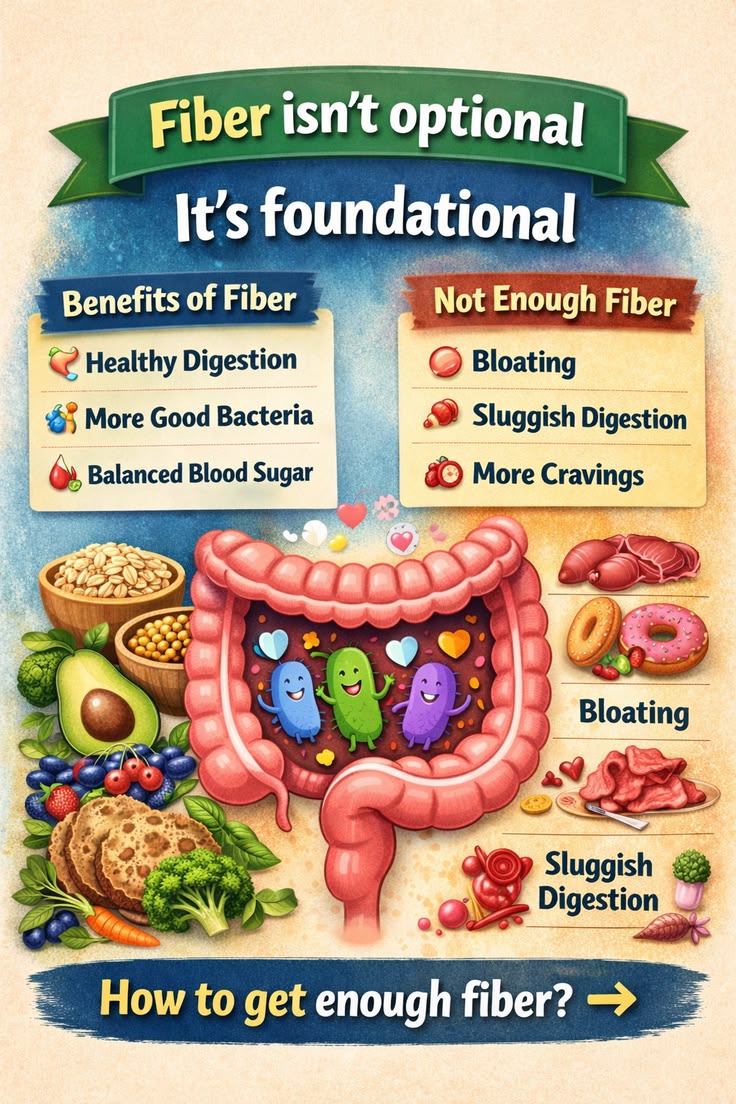
Fibre is one of the most important nutrients for maintaining a healthy digestive system, yet many people do not consume enough of it. Found naturally in plant-based foods such as fruits, vegetables, whole grains, legumes, nuts, and seeds, fibre supports regular bowel movements, nourishes beneficial gut bacteria, and contributes to overall health.
Unlike carbohydrates, proteins, and fats, fibre is not fully digested by the body. Instead, it passes through the digestive tract, where it performs several essential functions that help keep your digestive system working efficiently. Beyond digestion, fibre also supports heart health, blood sugar control, and healthy weight management.
In this guide, we’ll explore the role of fibre in digestive health, the different types of fibre, their health benefits, recommended daily intake, and practical ways to include more fibre in your diet.
What Is Dietary Fibre?
Dietary fibre is a type of carbohydrate found in plant foods that the human body cannot completely digest. Instead of being broken down and absorbed like other nutrients, fibre travels through the digestive system, helping regulate digestion and supporting the health of the gut.
Foods naturally rich in fibre include:
- Whole grains
- Fruits
- Vegetables
- Beans
- Lentils
- Chickpeas
- Nuts
- Seeds
Eating a variety of these foods provides both types of dietary fibre and many additional nutrients.
Types of Fibre
There are two main types of dietary fibre, and both play important roles in maintaining digestive health.
Soluble Fibre
Soluble fibre dissolves in water to form a gel-like substance inside the digestive tract.
It helps:
- Slow digestion
- Support healthy blood sugar levels
- Lower LDL (“bad”) cholesterol
- Feed beneficial gut bacteria
Foods rich in soluble fibre include:
- Oats
- Apples
- Citrus fruits
- Barley
- Beans
- Lentils
- Chia seeds
- Flaxseeds
Insoluble Fibre
Insoluble fibre does not dissolve in water. Instead, it adds bulk to stool and helps food move more efficiently through the digestive system.
Benefits include:
- Promoting regular bowel movements
- Helping prevent constipation
- Supporting bowel health
Good sources include:
- Wholemeal bread
- Brown rice
- Bran cereals
- Carrots
- Broccoli
- Cauliflower
- Nuts
- Seeds
A balanced diet naturally provides a combination of both soluble and insoluble fibre.
Why Fibre Is Important for Digestive Health
Fibre performs several essential functions that support a healthy digestive system.
Promotes Regular Bowel Movements
One of fibre’s most well-known benefits is preventing constipation.
Insoluble fibre increases stool bulk and encourages food to move efficiently through the intestines, making bowel movements easier and more regular.
Regular bowel habits contribute to overall digestive comfort and reduce straining during bowel movements.
Supports a Healthy Gut Microbiome
Your digestive tract contains trillions of beneficial bacteria collectively known as the gut microbiome.
Certain types of soluble fibre act as prebiotics, providing food for these helpful bacteria.
A healthy gut microbiome may support:
- Digestion
- Immune function
- Nutrient absorption
- Mental well-being
- Reduced inflammation
Eating a variety of fibre-rich foods encourages greater diversity of beneficial gut bacteria.
Helps Prevent Constipation
Constipation is one of the most common digestive complaints.
Adequate fibre intake, combined with proper hydration, helps soften stool and supports regular elimination.
To maximise fibre’s benefits, drink plenty of water throughout the day.
Supports Healthy Digestion
Fibre helps regulate the speed at which food moves through your digestive tract.
This balanced digestive process supports:
- Efficient nutrient absorption
- Healthy bowel function
- Reduced digestive discomfort
Many people notice improvements in digestion after gradually increasing their fibre intake.
Additional Health Benefits of Fibre
Although fibre is best known for supporting digestion, its benefits extend throughout the body.
Supports Heart Health
Soluble fibre may help lower LDL cholesterol by binding to cholesterol in the digestive tract and reducing its absorption.
A fibre-rich diet is associated with:
- Improved cholesterol levels
- Better heart health
- Reduced risk of cardiovascular disease
Including foods such as oats, beans, and fruits can support these benefits.
Helps Control Blood Sugar
Fibre slows the digestion and absorption of carbohydrates, helping reduce sudden spikes in blood sugar after meals.
This is especially helpful for:
- Maintaining steady energy levels
- Supporting healthy blood sugar management
- Promoting satiety after meals
Whole grains, legumes, and vegetables are excellent choices.
Supports Healthy Weight Management
High-fibre foods tend to be more filling because they take longer to digest.
This may help:
- Reduce overeating
- Control appetite
- Support healthy weight loss
- Maintain a healthy body weight
Choosing fibre-rich snacks such as fruit, nuts, or wholegrain crackers can help satisfy hunger between meals.
Best High-Fibre Foods
Including a wide variety of fibre-rich foods ensures you receive both soluble and insoluble fibre.
Excellent choices include:
Fruits
- Apples
- Pears
- Oranges
- Raspberries
- Bananas
Vegetables
- Broccoli
- Carrots
- Spinach
- Brussels sprouts
- Sweet potatoes
Whole Grains
- Oats
- Brown rice
- Quinoa
- Wholemeal bread
- Wholegrain pasta
Legumes
- Lentils
- Chickpeas
- Kidney beans
- Black beans
- Split peas
Nuts and Seeds
- Almonds
- Walnuts
- Chia seeds
- Flaxseeds
- Sunflower seeds
Aim to include fibre-rich foods in every meal.
How Much Fibre Do You Need?
Daily fibre requirements vary depending on age, sex, and overall health. In general, many adults would benefit from increasing their fibre intake through whole foods.
Rather than focusing solely on numbers, aim to:
- Eat fruits and vegetables daily.
- Choose whole grains instead of refined grains.
- Include beans or lentils several times a week.
- Snack on nuts or seeds in moderation.
A balanced eating pattern naturally increases fibre intake.
Tips for Increasing Fibre Intake
If you currently eat very little fibre, increase your intake gradually to reduce the chance of bloating or gas.
Helpful strategies include:
- Replace white bread with wholemeal bread.
- Choose brown rice instead of white rice.
- Add beans to soups and salads.
- Eat fruit instead of sugary desserts.
- Include vegetables with every meal.
- Sprinkle chia or flaxseeds over yoghurt or oatmeal.
- Snack on fresh fruit and nuts.
Small changes made consistently are easier to maintain.
Drink Plenty of Water
Fibre works best when combined with adequate hydration.
Water helps fibre move smoothly through the digestive tract and reduces the risk of constipation.
Aim to drink fluids regularly throughout the day, especially if you’re increasing your fibre intake.
Common Mistakes to Avoid
When adding more fibre to your diet, avoid these common mistakes:
- Increasing fibre too quickly
- Drinking too little water
- Relying only on fibre supplements
- Eating too few fruits and vegetables
- Choosing refined grains instead of whole grains
Whole foods provide fibre along with vitamins, minerals, and antioxidants that supplements cannot fully replace.
Fibre and Gut Health
Researchers continue to discover the close connection between gut health and overall well-being.
A healthy digestive system supported by adequate fibre may contribute to:
- Better immune function
- Improved mood
- Healthy metabolism
- Reduced inflammation
- Better nutrient absorption
Although more research continues in this area, maintaining a diverse, fibre-rich diet is widely recognised as beneficial.
When to Seek Medical Advice
While fibre supports digestive health, persistent digestive symptoms should not be ignored.
Consult a healthcare professional if you experience:
- Ongoing constipation
- Persistent diarrhoea
- Blood in the stool
- Severe abdominal pain
- Unexplained weight loss
- Difficulty swallowing
These symptoms may require medical evaluation and should not be treated with dietary changes alone.
Final Thoughts
Fibre is an essential nutrient that plays a central role in maintaining digestive health and supporting overall well-being. By promoting regular bowel movements, nourishing beneficial gut bacteria, preventing constipation, and supporting healthy digestion, fibre helps keep your digestive system functioning efficiently. In addition, it contributes to heart health, blood sugar control, and healthy weight management.
The best way to increase your fibre intake is by eating a variety of whole plant-based foods, including fruits, vegetables, whole grains, legumes, nuts, and seeds. Remember to increase fibre gradually and drink plenty of water to allow your digestive system to adapt comfortably.
Making simple changes—such as choosing wholemeal bread, adding beans to meals, or enjoying fruit as a daily snack—can have lasting benefits for your digestive health. Over time, these healthy habits can improve your gut health, enhance your overall wellness, and support a healthier lifestyle for years to come.