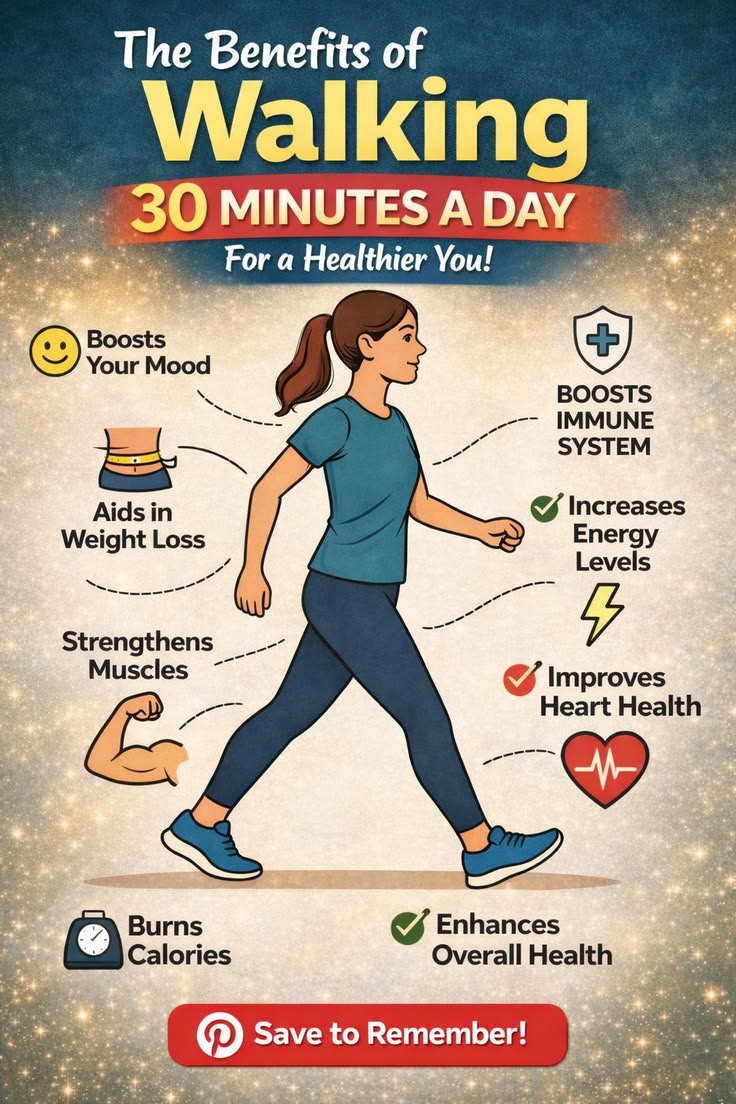

The Benefits of Walking 30 Minutes Every Day
Walking is one of the simplest, safest, and most effective forms of exercise. It requires no expensive equipment, special training, or gym membership, making it an accessible activity for people of almost all ages and fitness levels. Whether you walk around your neighbourhood, through a local park, or on a treadmill, just 30 minutes of walking each day can have a significant positive impact on your physical and mental health.
Many people underestimate the power of walking because it is a low-impact activity. However, research has shown that regular walking can improve cardiovascular health, strengthen muscles and bones, support weight management, reduce stress, and even increase life expectancy.
In this guide, we’ll explore the many benefits of walking for 30 minutes every day and share practical tips to help you make walking a regular part of your lifestyle.
Why Walking Is One of the Best Exercises
Walking is a natural movement that engages multiple muscle groups while placing minimal stress on your joints. Unlike high-intensity workouts, walking is gentle enough for beginners yet effective enough to improve overall fitness when done consistently.
Some advantages of walking include:
- Suitable for most fitness levels
- Easy to fit into a busy schedule
- Low risk of injury
- Improves both physical and mental health
- Can be done almost anywhere
- Requires little or no equipment
Because walking is sustainable, it’s easier to maintain as a long-term healthy habit.
1. Supports Heart Health
One of the greatest benefits of daily walking is improved cardiovascular health.
Walking regularly helps:
- Strengthen the heart muscle
- Improve blood circulation
- Support healthy blood pressure
- Increase good (HDL) cholesterol
- Reduce unhealthy (LDL) cholesterol
- Lower the risk of heart disease and stroke
A brisk 30-minute walk most days of the week is an excellent way to support long-term heart health.
2. Helps with Weight Management
Walking burns calories and contributes to maintaining a healthy body weight.
Combined with a balanced diet, regular walking can help:
- Increase daily calorie expenditure
- Reduce body fat over time
- Improve metabolism
- Support healthy weight loss
- Prevent weight gain
Although walking alone is not a quick solution for weight loss, consistency produces meaningful long-term results.
3. Improves Mental Health
Walking benefits not only your body but also your mind.
Physical activity stimulates the release of endorphins and other brain chemicals that help improve mood and reduce stress.
Regular walking may help:
- Reduce anxiety
- Improve mood
- Ease symptoms of mild depression
- Increase relaxation
- Boost self-confidence
Walking outdoors in green spaces may provide additional mental health benefits through exposure to nature and fresh air.
4. Increases Energy Levels
It may seem surprising, but moving your body often increases energy rather than draining it.
Walking improves oxygen delivery throughout the body and supports efficient circulation, helping you feel more alert during the day.
Many people find that a short walk during lunch or after work helps reduce fatigue and restore focus.
5. Strengthens Muscles and Bones
Walking helps strengthen many muscles throughout the body, including those in your:
- Legs
- Hips
- Core
- Lower back
Because walking is a weight-bearing exercise, it also supports bone health and may help reduce the risk of osteoporosis as you age.
Maintaining strong muscles and bones contributes to better balance, mobility, and independence.
6. Supports Healthy Joints
Regular movement helps keep joints flexible and lubricated.
Walking may help:
- Improve joint mobility
- Reduce stiffness
- Strengthen muscles surrounding the joints
- Support healthy cartilage
For many people with mild joint discomfort, gentle walking is often easier on the body than high-impact activities such as running.
Always seek medical advice if you have significant joint pain or an existing medical condition.
7. Improves Sleep Quality
People who exercise regularly often experience better sleep.
Walking can help:
- Fall asleep more easily
- Improve sleep quality
- Increase daytime energy
- Support healthy sleep patterns
Morning or afternoon walks may be particularly helpful for maintaining a consistent sleep schedule.
8. Boosts Brain Function
Walking increases blood flow to the brain, supplying oxygen and nutrients that support cognitive performance.
Regular walking may improve:
- Memory
- Concentration
- Creativity
- Learning ability
- Decision-making
Staying physically active throughout life may also support healthy brain ageing.
9. Supports Digestive Health
Walking after meals can help stimulate digestion and support healthy bowel function.
Benefits may include:
- Improved digestion
- Reduced bloating
- Better blood sugar regulation after meals
- Reduced constipation
Even a gentle 10- to 15-minute walk after eating can be beneficial.
10. Strengthens the Immune System
Regular moderate exercise supports normal immune function.
Walking may help:
- Improve circulation of immune cells
- Reduce inflammation
- Support overall wellness
- Lower the likelihood of some common illnesses
A healthy immune system also depends on proper nutrition, hydration, sleep, and stress management.
11. Reduces Stress
Walking provides an opportunity to slow down, clear your mind, and take a break from daily pressures.
Simple ways walking reduces stress include:
- Lowering stress hormones
- Encouraging mindful breathing
- Providing time away from screens
- Improving emotional well-being
Listening to calming music or enjoying nature during your walk can make the experience even more relaxing.
12. Encourages Healthy Habits
Walking often inspires other positive lifestyle changes.
People who walk regularly may also be more likely to:
- Drink more water
- Eat healthier meals
- Sleep better
- Spend more time outdoors
- Maintain a regular exercise routine
Healthy habits tend to reinforce one another over time.
How to Start a Daily Walking Routine
Beginning a walking routine doesn’t have to be complicated.
Here are some helpful tips:
- Start with 10–15 minutes if you’re new to exercise.
- Gradually increase your walking time to 30 minutes.
- Wear comfortable walking shoes.
- Walk at a pace that slightly increases your breathing while still allowing conversation.
- Stay hydrated, especially in warm weather.
- Warm up before walking and stretch gently afterwards.
Consistency matters more than speed or distance.
Ways to Make Walking More Enjoyable
Walking becomes easier to maintain when you enjoy it.
Consider:
- Walking with friends or family
- Exploring new parks or walking trails
- Listening to music or podcasts
- Walking your dog
- Tracking your daily steps
- Joining a community walking group
Changing your route occasionally can also keep the activity interesting.
Common Mistakes to Avoid
To get the most from your walks, avoid these common mistakes:
- Wearing uncomfortable footwear
- Walking with poor posture
- Skipping warm-ups if walking briskly
- Increasing distance too quickly
- Forgetting to drink water
- Walking only occasionally instead of consistently
Building your routine gradually helps reduce the risk of injury.
Walking and Overall Wellness
Walking works best as part of a healthy lifestyle.
Combine daily walking with:
- A balanced diet
- Strength training two or three times a week
- Quality sleep
- Proper hydration
- Stress management
- Regular medical check-ups
Together, these habits support long-term physical and mental health.
Final Thoughts
Walking for just 30 minutes every day is one of the easiest and most effective ways to improve your overall health. This simple habit can strengthen your heart, support healthy weight management, improve mood, increase energy, enhance brain function, and reduce the risk of many chronic diseases. Best of all, walking is affordable, accessible, and suitable for people of nearly every age and fitness level.
Remember that you don’t have to walk 30 minutes all at once. If your schedule is busy, you can split your activity into three 10-minute walks throughout the day and still enjoy many of the same benefits. The key is consistency rather than intensity.
Start where you are, wear comfortable shoes, and make walking a regular part of your daily routine. Over time, those small daily steps can lead to significant improvements in your physical health, mental well-being, and overall quality of life. Every step you take is an investment in a healthier and happier future.