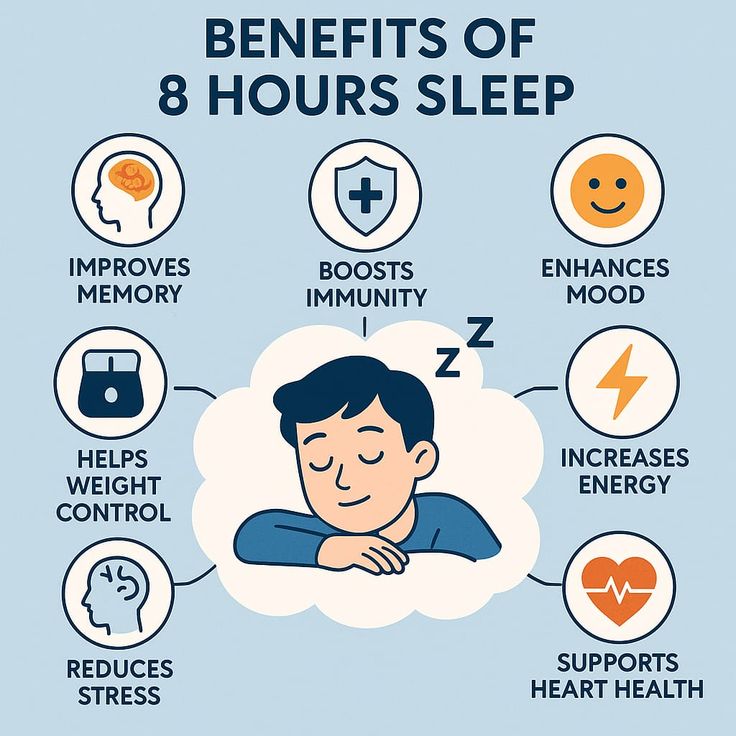

Understanding the Benefits of Quality Sleep
Sleep is one of the most important pillars of good health, alongside a balanced diet and regular exercise. Yet, in today’s fast-paced world, many people sacrifice sleep to meet work deadlines, study longer, or spend more time on digital devices. While it may seem harmless to lose a few hours of sleep occasionally, consistently poor sleep can have significant effects on your physical health, mental well-being, and overall quality of life.
Quality sleep is about more than simply spending enough hours in bed. It means getting restful, uninterrupted sleep that allows your body and mind to recover properly. In this guide, we’ll explore the many benefits of quality sleep, why it matters, common causes of poor sleep, and practical tips to help you enjoy healthier nights and more productive days.
What Is Quality Sleep?
Quality sleep means sleeping well enough for your body to complete its natural sleep cycles without frequent interruptions. During sleep, your body performs essential tasks such as repairing tissues, balancing hormones, strengthening the immune system, and processing memories.
For most healthy adults, around seven to nine hours of sleep each night is generally recommended, although individual needs may vary depending on age, lifestyle, and overall health.
Signs of quality sleep include:
- Falling asleep within a reasonable amount of time
- Sleeping through most of the night
- Waking up feeling refreshed
- Having enough energy throughout the day
- Remaining alert and focused during daily activities
Getting enough restorative sleep is just as important as the total number of hours you spend asleep.
Why Sleep Is Essential for Your Health
Your body continues working while you sleep. During this time, it repairs muscles, regulates hormones, supports immune function, and prepares your brain for another day of learning and decision-making.
Without enough quality sleep, these essential processes become less effective, increasing the risk of fatigue, illness, and long-term health problems.
Let’s explore the key benefits of getting consistent, high-quality sleep.
1. Improves Brain Function
Your brain relies on sleep to function efficiently. While you’re asleep, the brain organises memories, processes information, and clears waste products that accumulate throughout the day.
Quality sleep helps improve:
- Memory
- Learning ability
- Concentration
- Problem-solving skills
- Creativity
- Decision-making
Students and professionals often perform better when they are well-rested because their brains are more capable of processing and retaining information.
2. Supports Mental Health
Sleep and mental health are closely connected. Poor sleep can contribute to stress, anxiety, irritability, and low mood, while quality sleep helps regulate emotions and improve resilience.
People who consistently get enough sleep often experience:
- Better emotional balance
- Lower stress levels
- Improved mood
- Reduced anxiety
- Greater patience
- Increased motivation
Although sleep alone cannot treat mental health conditions, it is an important part of maintaining emotional well-being.
3. Strengthens the Immune System
During sleep, your immune system produces proteins and immune cells that help fight infections and support recovery.
People who regularly get enough sleep may:
- Recover more quickly from illness
- Experience fewer infections
- Respond better to vaccinations
- Maintain stronger natural defences
Poor sleep over long periods may weaken the body’s ability to respond effectively to harmful bacteria and viruses.
4. Supports Heart Health
Healthy sleep contributes to a healthy cardiovascular system. During sleep, your blood pressure naturally decreases, giving your heart and blood vessels time to recover.
Consistently poor sleep has been associated with an increased risk of:
- High blood pressure
- Heart disease
- Stroke
- Irregular heart rhythms
Maintaining healthy sleep habits, along with a balanced diet and regular exercise, supports long-term heart health.
5. Helps Maintain a Healthy Weight
Sleep influences the hormones that regulate hunger and fullness. When you don’t get enough sleep, your body may produce more of the hormone that stimulates appetite while reducing the hormone that signals fullness.
As a result, sleep deprivation may lead to:
- Increased hunger
- More cravings for sugary foods
- Larger portion sizes
- Frequent snacking
- Lower energy for physical activity
Getting enough sleep supports healthier eating habits and may assist with weight management.
6. Improves Physical Performance
Athletes and active individuals often notice better performance when they are well-rested.
Quality sleep helps:
- Repair muscles
- Restore energy
- Improve reaction time
- Enhance coordination
- Increase endurance
- Reduce the risk of injury
Recovery during sleep is an essential part of any fitness routine.
7. Promotes Healthy Skin
Your skin repairs itself while you sleep. During deep sleep, increased blood flow helps deliver nutrients to skin cells, supporting repair and renewal.
Quality sleep may contribute to:
- Healthier skin tone
- Improved skin hydration
- Reduced puffiness
- Better healing
- Fewer visible signs of fatigue
Although skincare products are helpful, healthy sleep is an important part of maintaining healthy-looking skin.
8. Supports Hormone Balance
Many important hormones are produced or regulated during sleep.
These hormones help control:
- Growth and development
- Appetite
- Stress responses
- Blood sugar regulation
- Reproductive health
- Muscle repair
Poor sleep can disrupt hormone balance and affect multiple systems throughout the body.
9. Enhances Productivity
A good night’s sleep helps you perform better at work, school, and home.
People who sleep well often experience:
- Better focus
- Faster thinking
- Improved communication
- Higher productivity
- Better judgement
- Greater motivation
Sleep is one of the simplest ways to improve daily performance without relying on excessive caffeine or energy drinks.
10. Reduces the Risk of Chronic Diseases
Over time, consistently poor sleep may increase the risk of several chronic health conditions.
These may include:
- Type 2 diabetes
- Obesity
- Heart disease
- High blood pressure
- Depression
- Certain metabolic disorders
Healthy sleep is an important part of disease prevention when combined with good nutrition and regular physical activity.
Common Causes of Poor Sleep
Many factors can interfere with sleep quality.
Common causes include:
- Stress and anxiety
- Irregular sleep schedules
- Excessive screen time
- Caffeine late in the day
- Alcohol before bedtime
- Loud or bright sleeping environments
- Lack of physical activity
- Medical conditions or chronic pain
Identifying the cause of poor sleep is often the first step toward improving it.
Tips for Better Sleep
Improving your sleep doesn’t always require major lifestyle changes. Small, consistent habits can make a significant difference.
Here are some practical tips:
Stick to a Regular Schedule
Go to bed and wake up at the same time every day, including weekends. This helps regulate your body’s internal clock.
Create a Relaxing Bedtime Routine
Spend the last 30 to 60 minutes before bed doing calming activities such as:
- Reading a book
- Gentle stretching
- Meditation
- Listening to relaxing music
- Taking a warm bath
Avoid stimulating activities close to bedtime.
Limit Screen Time
Phones, tablets, computers, and televisions emit blue light, which may interfere with your body’s natural production of melatonin—the hormone that helps regulate sleep.
Try to reduce screen use at least one hour before going to bed.
Make Your Bedroom Comfortable
A sleep-friendly bedroom should be:
- Quiet
- Dark
- Cool
- Comfortable
- Free from unnecessary distractions
Investing in a supportive mattress and pillow may also improve sleep quality.
Watch What You Eat and Drink
Large meals, caffeine, and alcohol close to bedtime may affect sleep.
Instead:
- Eat lighter evening meals.
- Limit caffeine later in the day.
- Stay hydrated without drinking excessive fluids immediately before bed.
Stay Physically Active
Regular exercise supports better sleep, but vigorous workouts immediately before bedtime may make it harder for some people to fall asleep.
Aim to stay active most days of the week.
Common Sleep Myths
Myth 1: Everyone Needs Exactly Eight Hours
Sleep needs vary from person to person. While many adults thrive on seven to nine hours, individual requirements may differ.
Myth 2: You Can Catch Up on Lost Sleep Every Weekend
Extra weekend sleep may help reduce fatigue temporarily, but it cannot fully reverse the effects of chronic sleep deprivation. Consistency is more important than occasional long sleep-ins.
Myth 3: Snoring Is Always Harmless
Occasional snoring may not be serious, but loud, frequent snoring accompanied by pauses in breathing could indicate a sleep disorder such as sleep apnoea and should be evaluated by a healthcare professional.
When to Seek Professional Help
If sleep problems persist despite healthy habits, it’s important to seek medical advice.
Consider speaking with a healthcare provider if you:
- Regularly struggle to fall asleep
- Wake frequently during the night
- Feel excessively tired during the day
- Snore loudly or stop breathing during sleep
- Experience ongoing insomnia lasting several weeks
Early assessment and treatment can improve sleep quality and overall health.
Final Thoughts
Quality sleep is essential for a healthy body and a healthy mind. It supports brain function, strengthens the immune system, improves heart health, enhances mood, boosts productivity, and helps maintain a healthy weight. Although modern life often makes it tempting to sacrifice sleep, consistently getting enough restorative rest is one of the best investments you can make in your long-term well-being.
Improving your sleep doesn’t require perfection. Simple changes—such as following a regular bedtime, limiting screen time, creating a comfortable sleep environment, and staying physically active—can make a noticeable difference. Over time, these healthy habits can lead to better energy, sharper thinking, stronger immunity, and an improved quality of life.
Remember, quality sleep is not a luxury—it’s a necessity. By making sleep a priority, you’re giving your body and mind the opportunity to recover, recharge, and perform at their very best every day.