
How Regular Exercise Improves Your Mental Health
Mental health is just as important as physical health, yet it is often overlooked in our busy lives. Stress, anxiety, depression, and emotional exhaustion have become increasingly common due to demanding work schedules, financial pressures, and the constant influence of technology. While professional treatment is essential for many mental health conditions, one of the most effective ways to support emotional well-being is through regular exercise.
Exercise is not only about building muscle or losing weight. It has a profound impact on the brain, improving mood, reducing stress, boosting self-esteem, and enhancing overall quality of life. Whether you enjoy walking, cycling, swimming, yoga, or strength training, staying active can help you feel happier, calmer, and more resilient.
In this guide, we’ll explore how regular exercise improves mental health and provide practical tips for making physical activity a consistent part of your daily routine.
The Connection Between Exercise and Mental Health
Physical activity affects the brain in many positive ways. During exercise, your body releases chemicals called endorphins, often referred to as the body’s “feel-good” hormones. These natural chemicals help reduce pain, improve mood, and create feelings of happiness and relaxation.
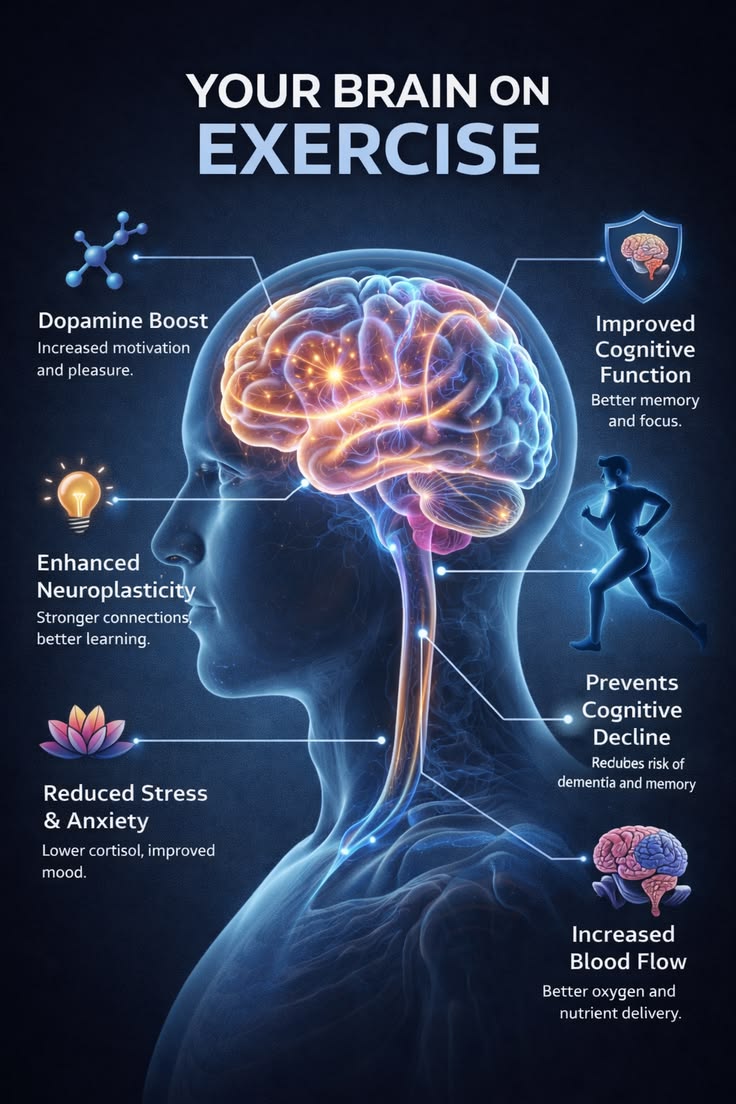
Exercise also increases the production of neurotransmitters such as serotonin and dopamine. These chemicals play a key role in regulating mood, motivation, and emotional well-being. Low levels of serotonin have been linked to depression, while dopamine helps create feelings of reward and satisfaction.
Regular movement also improves blood circulation to the brain, supporting better cognitive function, memory, and concentration.
1. Exercise Helps Reduce Stress
Stress is a normal part of life, but chronic stress can affect both your physical and mental health. Long-term stress may contribute to headaches, sleep problems, digestive issues, anxiety, and burnout.
Exercise acts as a natural stress reliever by lowering stress hormone levels, such as cortisol, while promoting relaxation through the release of endorphins.
Activities that are especially effective for stress management include:
- Brisk walking
- Jogging
- Yoga
- Swimming
- Cycling
- Stretching exercises
Even a 20 to 30-minute walk outdoors can help clear your mind and reduce feelings of tension.
2. Regular Exercise Can Reduce Symptoms of Anxiety
Anxiety can make everyday situations feel overwhelming. Physical activity helps calm the nervous system and reduces the body’s fight-or-flight response.
During exercise, your breathing becomes deeper and more controlled, which can naturally lower feelings of anxiety. Many people also find that focusing on movement helps distract them from racing thoughts and excessive worrying.
Exercises that may help ease anxiety include:
- Walking in nature
- Gentle yoga
- Pilates
- Swimming
- Tai Chi
- Light strength training
Consistency is more important than intensity. Regular moderate exercise often provides greater long-term benefits than occasional intense workouts.
3. Exercise Supports Better Mood
Have you ever noticed feeling happier after a workout? This is often known as the “exercise high.”
Physical activity stimulates the release of chemicals that improve mood and increase feelings of happiness. Regular exercise may help reduce symptoms of mild to moderate depression and contribute to greater emotional stability.
In addition to the chemical changes occurring in the brain, exercise provides a sense of achievement. Completing a workout, reaching a fitness goal, or simply staying active can improve confidence and create positive momentum.
4. Better Sleep Leads to Better Mental Health
Quality sleep and mental health are closely connected. Poor sleep can increase stress, irritability, and emotional instability.
Regular exercise helps regulate the body’s natural sleep cycle by making it easier to fall asleep and improving sleep quality.
Benefits of improved sleep include:
- Better concentration
- Increased patience
- Improved memory
- Greater emotional resilience
- Reduced daytime fatigue
For best results, try to avoid vigorous exercise immediately before bedtime if it interferes with your ability to relax.
5. Exercise Boosts Self-Confidence
Regular physical activity often improves body image and self-esteem, regardless of weight changes.
As your fitness improves, you may notice:
- Increased strength
- Better posture
- Greater flexibility
- Improved endurance
- Higher energy levels
These achievements contribute to greater confidence and a more positive self-image.
Confidence built through exercise often carries over into work, relationships, and other areas of life.
6. Physical Activity Improves Brain Function
Exercise doesn’t only strengthen muscles—it also supports brain health.
Research suggests regular physical activity may improve:
- Memory
- Learning ability
- Focus
- Problem-solving skills
- Decision-making
- Creativity
Exercise increases blood flow to the brain, delivering oxygen and nutrients that support healthy brain cells. It may also encourage the growth of new neural connections that help maintain cognitive function as we age.
7. Exercise Encourages Social Connection
Many forms of exercise involve interacting with others, which can benefit mental health.
Examples include:
- Fitness classes
- Sports teams
- Running clubs
- Dance lessons
- Walking groups
- Outdoor adventure activities
Social interaction helps reduce feelings of loneliness and provides emotional support, motivation, and encouragement.
Even exercising with a friend can make workouts more enjoyable while strengthening relationships.
8. Exercise Builds Emotional Resilience
Life inevitably includes setbacks and challenges. Regular physical activity teaches discipline, patience, and perseverance.
Working towards fitness goals often involves overcoming obstacles, staying consistent, and adapting to difficulties. These experiences can strengthen emotional resilience and improve your ability to cope with stress in everyday life.
People who exercise regularly often report feeling more capable of handling life’s pressures with confidence.
9. Physical Activity Can Help Prevent Depression
Although exercise is not a replacement for professional mental health treatment, it can play an important role in preventing depression and supporting recovery.
Regular movement may help by:
- Improving mood
- Reducing stress
- Increasing social interaction
- Promoting better sleep
- Enhancing self-esteem
Many healthcare professionals recommend combining exercise with other treatments, such as counselling or medication, when appropriate.
If you experience persistent sadness or symptoms of depression, it is important to seek guidance from a qualified healthcare provider.
10. Exercise Promotes Long-Term Happiness
Happiness isn’t created by one workout—it develops through healthy habits maintained over time.
Regular physical activity supports long-term well-being by encouraging:
- Healthy routines
- Positive thinking
- Better physical health
- Increased independence
- Greater confidence
- Improved relationships
As exercise becomes part of your lifestyle, you’ll likely notice improvements in both your emotional and physical health.
Choosing the Right Exercise
The best exercise is one you genuinely enjoy and can maintain consistently.
Popular options include:
- Walking
- Running
- Cycling
- Swimming
- Yoga
- Pilates
- Strength training
- Dancing
- Hiking
- Team sports
There’s no perfect workout. Every form of movement contributes to better mental and physical health.
Tips for Staying Motivated
Starting an exercise routine is often easier than maintaining one. These strategies can help you stay consistent:
- Set realistic goals.
- Begin with short workouts.
- Schedule exercise into your calendar.
- Track your progress.
- Find an exercise partner.
- Listen to music or podcasts while exercising.
- Celebrate small achievements.
- Focus on how exercise makes you feel rather than appearance alone.
Remember that even small amounts of activity are better than none.
Creating a Balanced Fitness Routine
For the greatest mental and physical health benefits, aim to include a variety of exercises throughout the week.
A balanced routine may include:
- Cardiovascular exercise for heart health
- Strength training for muscles and bones
- Stretching for flexibility
- Balance exercises for stability
- Relaxation activities such as yoga or meditation
Rest days are also important, allowing your body and mind to recover.
Final Thoughts
Regular exercise is one of the most powerful tools for improving mental health. It helps reduce stress, ease anxiety, improve mood, strengthen self-confidence, enhance sleep, and support overall emotional well-being. Beyond the physical benefits, staying active nurtures resilience, encourages social connection, and promotes a more positive outlook on life.
You don’t need expensive equipment or long hours at the gym to experience these benefits. A daily walk, a short cycling session, a yoga class, or a home workout can all contribute to better mental health. The key is consistency rather than perfection.
Start with a manageable goal, such as 20 to 30 minutes of activity most days of the week, and gradually build a routine that fits your lifestyle. Over time, these small, consistent efforts can lead to lasting improvements in your mood, confidence, and overall quality of life. By making exercise a regular part of your day, you’re investing not only in a healthier body but also in a happier, stronger, and more balanced mind.