
The Ultimate Guide to Eating a Balanced Diet
A balanced diet is one of the most important foundations of good health. The food you eat fuels your body, supports your immune system, helps maintain a healthy weight, and reduces the risk of chronic diseases. While many diet trends promise quick results, the key to long-term wellness is not following restrictive eating plans but adopting healthy, balanced eating habits that you can maintain for life.
In this comprehensive guide, you’ll learn what a balanced diet is, why it matters, the essential food groups, practical meal-planning tips, and simple strategies for making healthier food choices every day.
What Is a Balanced Diet?
A balanced diet provides your body with the right amount of nutrients needed to function efficiently. It includes a variety of foods in appropriate proportions to ensure you receive adequate amounts of carbohydrates, protein, healthy fats, vitamins, minerals, fibre, and water.
Rather than eliminating entire food groups, a balanced diet encourages moderation and variety. Eating different types of foods helps ensure your body receives all the nutrients required for growth, energy, tissue repair, and disease prevention.
Why Is a Balanced Diet Important?
Good nutrition affects nearly every aspect of your health. Consistently eating a balanced diet offers numerous benefits, including:
- Increased energy throughout the day
- Improved concentration and memory
- Stronger immune system
- Better digestive health
- Healthy weight management
- Reduced risk of heart disease
- Lower risk of type 2 diabetes
- Stronger bones and muscles
- Healthier skin and hair
- Improved mood and mental well-being
Healthy eating is not about perfection. It’s about making better choices more often and creating sustainable habits.
The Essential Components of a Balanced Diet
To achieve a balanced diet, your meals should include all the major nutrient groups.
1. Carbohydrates
Carbohydrates are your body’s primary source of energy. They fuel your brain, muscles, and nervous system.
Choose complex carbohydrates whenever possible, such as:
- Wholemeal bread
- Brown rice
- Oats
- Quinoa
- Sweet potatoes
- Wholegrain pasta
- Beans and lentils
Limit refined carbohydrates and foods high in added sugars, such as sugary cereals, sweets, pastries, and soft drinks.
2. Protein
Protein is essential for building and repairing tissues, supporting muscle growth, and producing enzymes and hormones.
Excellent protein sources include:
- Fish
- Chicken
- Turkey
- Eggs
- Lean beef
- Beans
- Lentils
- Chickpeas
- Tofu
- Greek yoghurt
- Cottage cheese
- Nuts and seeds
Aim to include a source of protein with each meal to help you feel satisfied for longer.
3. Healthy Fats
Healthy fats support brain function, hormone production, and the absorption of fat-soluble vitamins.
Choose healthier fat sources such as:
- Avocados
- Olive oil
- Nuts
- Seeds
- Salmon
- Mackerel
- Sardines
Try to limit foods high in trans fats and excessive saturated fats, including heavily processed snacks and fried foods.
4. Fruits and Vegetables
Fruits and vegetables provide vitamins, minerals, antioxidants, and dietary fibre that help protect against disease.
A colourful plate is often a nutritious plate. Different colours provide different nutrients, so aim to eat a wide variety every week.
Examples include:
- Spinach
- Broccoli
- Carrots
- Tomatoes
- Bell peppers
- Apples
- Oranges
- Blueberries
- Bananas
- Berries
Many health experts recommend eating at least five portions of fruits and vegetables each day.
5. Dairy or Dairy Alternatives
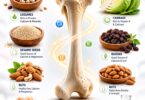
Milk, yoghurt, and cheese provide calcium, protein, and vitamin D, all of which contribute to healthy bones and teeth.
If you avoid dairy, consider fortified alternatives such as:
- Soy milk
- Almond milk
- Oat milk
- Fortified plant-based yoghurts
Choose products with little or no added sugar whenever possible.
6. Water
Water is often overlooked but is one of the most important nutrients. It helps regulate body temperature, transport nutrients, remove waste, and support digestion.
Drink water regularly throughout the day, especially during hot weather or after physical activity. While individual needs vary, keeping a reusable water bottle nearby can help you stay hydrated.
Understanding Portion Control
Even nutritious foods should be eaten in appropriate amounts. Portion control helps prevent overeating and supports healthy weight management.
Simple ways to manage portions include:
- Use smaller plates and bowls.
- Fill half your plate with vegetables.
- Eat slowly and pay attention to hunger cues.
- Avoid eating directly from large packets.
- Measure portions when learning healthy serving sizes.
Listening to your body’s natural hunger and fullness signals can also help you avoid unnecessary snacking.
The Importance of Fibre
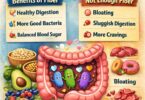
Dietary fibre supports healthy digestion, helps regulate blood sugar, and can contribute to lower cholesterol levels.
High-fibre foods include:
- Whole grains
- Oats
- Fruits
- Vegetables
- Beans
- Lentils
- Chickpeas
- Nuts
- Seeds
Increasing fibre gradually and drinking plenty of water can help prevent digestive discomfort.
Limit Added Sugar and Salt
Many processed foods contain more sugar and salt than most people realise.
Too much added sugar may contribute to:
- Weight gain
- Tooth decay
- Increased risk of type 2 diabetes
- Heart disease
Excessive salt intake may increase blood pressure and the risk of cardiovascular disease.
To reduce your intake:
- Read food labels.
- Choose fresh ingredients when possible.
- Cook meals at home.
- Use herbs and spices instead of excessive salt.
- Replace sugary drinks with water or unsweetened beverages.
Plan Balanced Meals
Meal planning helps you make healthier decisions and reduces the temptation to rely on convenience foods.
A balanced meal might include:
- Half a plate of vegetables or salad
- One-quarter lean protein
- One-quarter whole grains or starchy vegetables
- A serving of healthy fat, such as avocado or olive oil
For example:
Breakfast: Oatmeal topped with berries, nuts, and a spoonful of yoghurt.
Lunch: Grilled chicken, brown rice, and mixed vegetables.
Dinner: Baked salmon, roasted sweet potatoes, and steamed broccoli.
Snacks: Apple slices with peanut butter, Greek yoghurt, or a handful of almonds.
Healthy Eating on a Budget
Eating well doesn’t have to be expensive. With careful planning, nutritious meals can fit most budgets.
Money-saving tips include:
- Buy seasonal produce.
- Choose frozen fruits and vegetables.
- Purchase whole grains and beans in bulk.
- Cook larger batches and freeze leftovers.
- Plan meals before shopping.
- Make a shopping list and stick to it.
- Reduce food waste by using leftovers creatively.
Preparing meals at home is often healthier and more economical than eating out frequently.
Common Nutrition Mistakes
Many people unknowingly make choices that can affect their health.
Some common mistakes include:
- Skipping breakfast
- Drinking too many sugary beverages
- Eating too few vegetables
- Choosing highly processed snacks
- Following extreme fad diets
- Ignoring portion sizes
- Eating too quickly
- Not drinking enough water
Recognising these habits is the first step toward making positive changes.
Tips for Building Healthy Eating Habits
Improving your diet doesn’t require overnight transformation. Small, consistent changes are more sustainable than drastic restrictions.
Try these strategies:
- Add one extra serving of vegetables each day.
- Swap white bread for wholemeal bread.
- Replace sugary drinks with water.
- Include protein in every meal.
- Cook more meals at home.
- Keep healthy snacks readily available.
- Practise mindful eating by reducing distractions during meals.
- Allow yourself occasional treats without guilt.
Healthy eating is about balance, not deprivation.
Final Thoughts
A balanced diet is one of the best investments you can make in your long-term health. By choosing a variety of nutrient-rich foods, managing portion sizes, staying hydrated, and limiting highly processed foods, you can support your body’s needs while reducing the risk of many chronic illnesses.
Remember that no single meal determines your health. Instead, focus on your overall eating pattern over time. Small, consistent improvements—such as eating more vegetables, choosing whole grains, and preparing meals at home—can lead to lasting benefits for your energy, physical health, and overall well-being.
The journey to healthier eating begins with one simple step. Start by making one positive change today, and build on that success over time. With patience and consistency, a balanced diet can become a natural and enjoyable part of your daily life.